In 2011, Wadi Rum was inscribed on the UNESCO World Heritage List as the Wadi Rum Protected Area. Not only for its beauty: for its history too. As a Bedouin, I am proud of it. Here is what makes our desert so special.
Why Wadi Rum is on the UNESCO list
Wadi Rum is a mixed site: it is protected both for its nature and for its culture, which is rare. The protected area covers about 74,000 hectares in the south of Jordan, near the border with Saudi Arabia.
- Inscribed: 2011
- Type: mixed site, natural and cultural
- Rock carvings: about 25,000
- Inscriptions: about 20,000
- Archaeological sites: 154
- Human presence: 12,000 years
A landscape shaped by wind and water
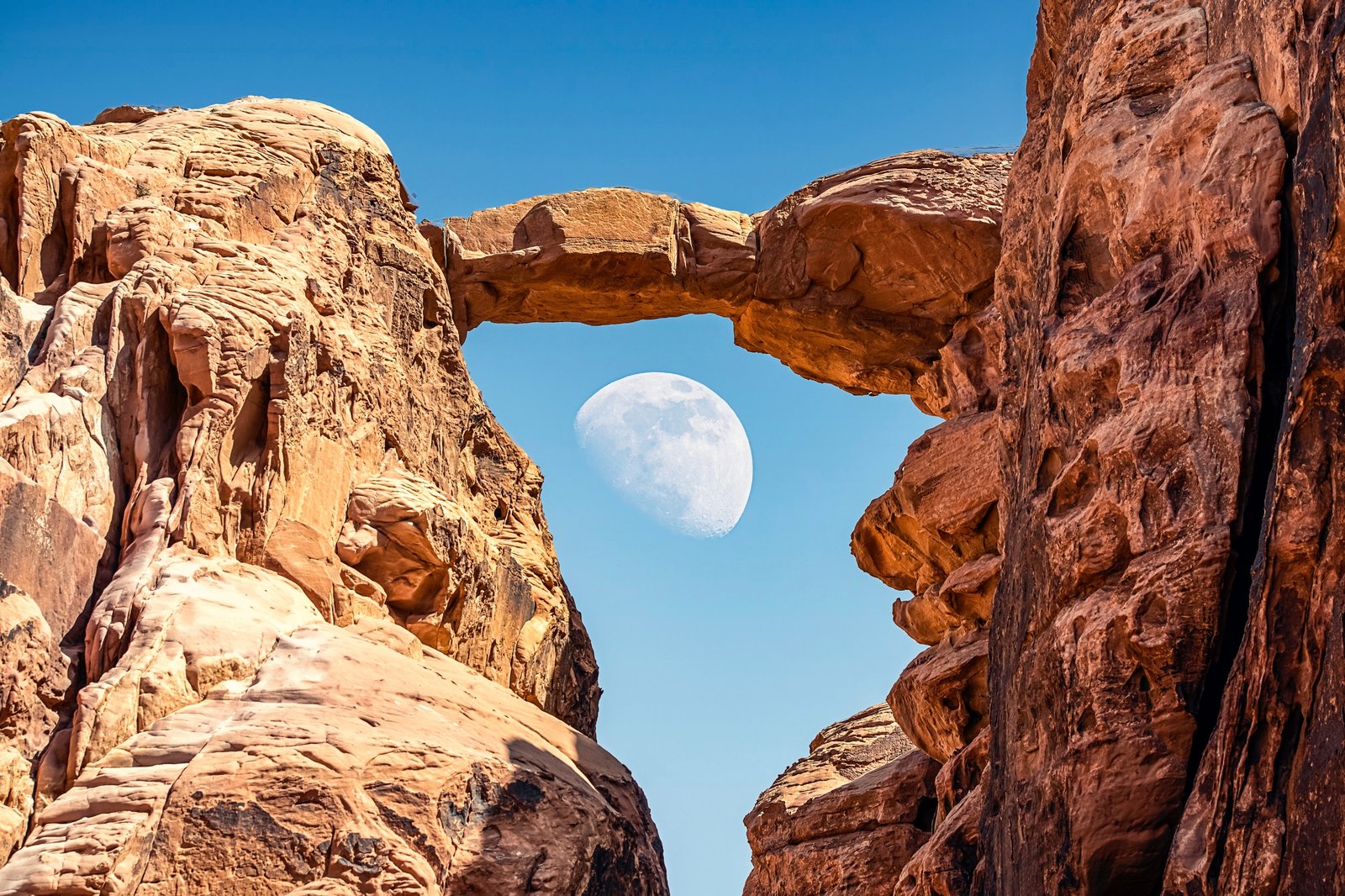
Narrow canyons, natural arches, high cliffs, red and white dunes: the sandstone mountains of Wadi Rum rise straight from the sand. Millions of years of wind and water carved bridges like Burdah and Um Fruth, and the shapes you will see on every site to visit in Wadi Rum.
12,000 years of human history
Long before us, people lived here: hunters, shepherds, caravans. They left drawings of camels, ibex and people on the rocks, and inscriptions in several ancient scripts, Thamudic, Nabataean and Arabic. The Nabataeans, the builders of Petra, also had a temple near the village. Later, during the Arab Revolt, T. E. Lawrence crossed the desert, and his story made Wadi Rum famous around the world. Read our story of Lawrence of Arabia in Wadi Rum.
Where to see the carvings and inscriptions
- Khazali Canyon: a narrow gorge with carvings of people and animals
- Lawrence Spring: old inscriptions near the spring
- Anfashieh: drawings of camel caravans on the rock
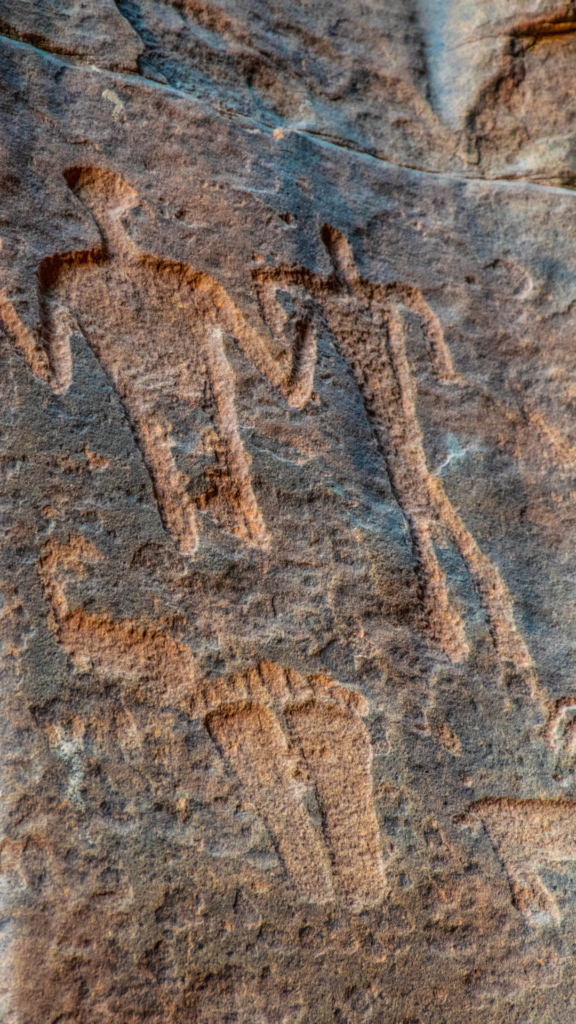
Most of them are on the route of our Wadi Rum jeep tour, and your guide will show you where to look.
A protected area: how you can help
Being on the UNESCO list also means responsibilities. The desert is fragile: car tracks, rubbish and firewood collection damage it. With us, you can help simply:
- Never touch or write on the rock carvings
- Take your rubbish back with you
- Stay on the existing tracks
- Choose a local guide licensed by the protected area
Discover the desert with a Bedouin guide
Eid is a local guide recognised by the Wadi Rum Protected Area. Meet his family in Eid & us.
— Eid, your Bedouin guide at Wadi Rum Best Tours